Supported now
Pi 4, Camera Module 2, Coral USB Edge TPU.
Use this validated hardware combination for a new tallGuard build.
 tallGuard
 Community Edition
Build a private, pond-side detector around validated hardware, a clear camera view, and practical physical protection. The software is free; you provide the equipment, power, network, mounting, and deterrent.
Before you buy
Supported now
Use this validated hardware combination for a new tallGuard build.
Coming soon
Do not buy a Pi 5 specifically for tallGuard until its runtime has been validated.
Allow time
Assembly, mounting, weatherproofing, camera aiming, installation, and a daylight test all matter.
Hardware requirements
Budget roughly £180-£260 for the remaining kit once you have a working Pi 4. Coral USB Edge TPU availability causes the largest price variation; housing and optional audio deterrents also affect the final cost. Refurbished and second-hand parts can often cost less.
Some supplier links may be affiliate links. They do not change the price you pay.

Already owned
The local computer that runs tallGuard.
Assumption: Assumes you already have a working Pi setup with power supply, microSD card, Raspberry Pi OS, network access, and basic mounting.
View product
Required
Accelerates local heron detection without sending camera footage to the cloud.
View product
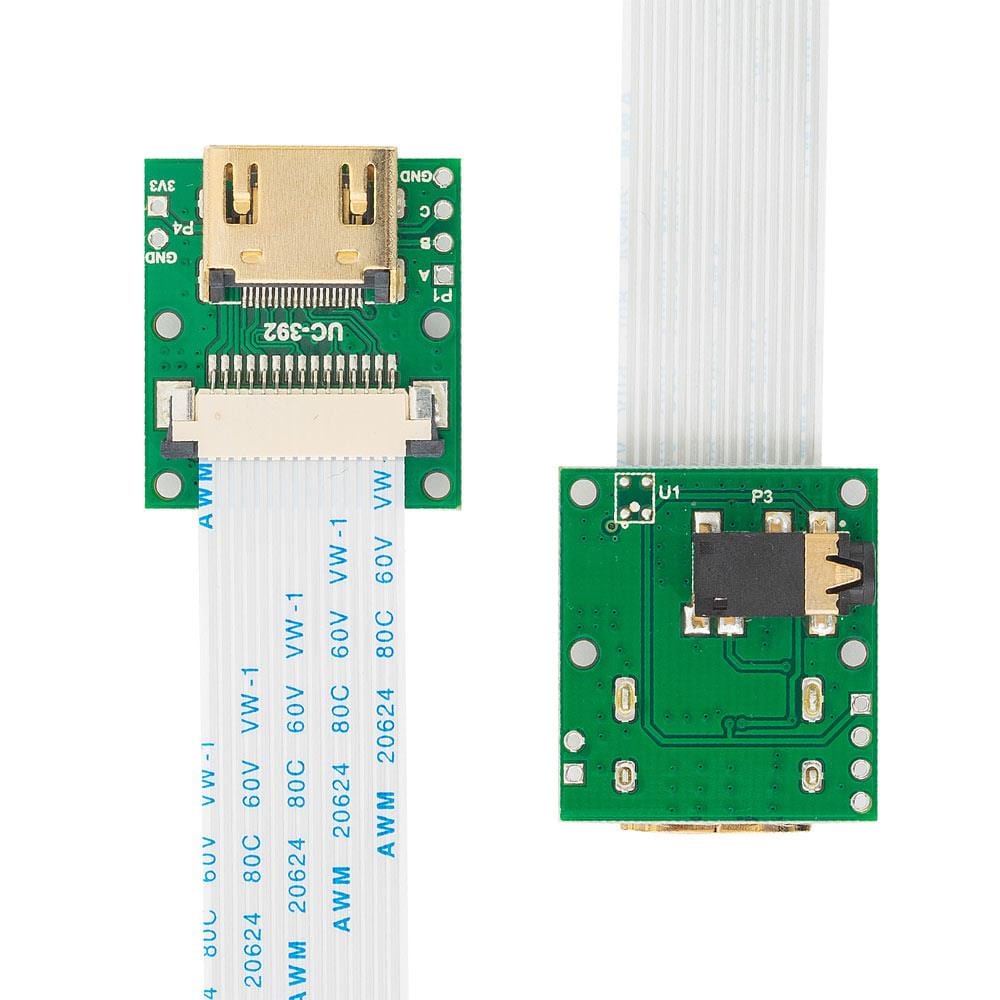
Placement
House only the camera in the nesting box and run this cable back to the Pi in a separate dry location. An 8 m cable has worked well in our setup.
View product
Deterrent
Drives an external speaker for the configured audible deterrent.
View product
Deterrent
A weather-suited horn speaker for projecting deterrent audio around the pond.
View product
Housing
Can be adapted as a discreet weather-protected housing for the Pi.
View product
Weather shield
A simple clear cover option for protecting the camera opening in the housing.
View productCamera placement
A wide view of open water is rarely enough. The useful view includes accessible pond edges and the routes a bird uses to reach them.
Aim
Prioritise visible fish, shelves, stepping stones, and edges a heron can stand beside.
Keep clear
Mount securely, avoid glare where possible, and review the frame as plants grow through the season.
Route safely
Keep camera extension and ribbon cables away from pumps, motors, power supplies, and their cables to reduce interference.
Raspberry Pi installation
curl -fsSL https://install.tallguard.com/install.sh | sudo bashRun this command on a Raspberry Pi running Bookworm 64-bit. The installer prepares the local runtime; device pairing and alert settings are completed afterwards.
Known limitations
tallGuard helps with early approach detection; it cannot protect fish when the camera cannot see the relevant pond edge.
Darkness, uneven lighting, and bright backlighting can reduce useful detection.
Water reflections, rain on the lens, and direct sun can obscure fish and pond edges.
Plants and algae can hide approach routes. Recheck the view as the garden changes.
Housing, decorations, and a poorly aimed camera can leave the most accessible edge unseen.